
The internet runs on a complex system of addresses that allow devices to communicate with each other. One such address that may appear in server logs, security reports, or network analysis tools is 185.63.263.20. While many people see numbers like this and assume they are random, they actually serve an essential role in how the internet works. Understanding 185.63.263.20 can help website owners, IT professionals, and even curious users learn more about how online connections function.
In simple terms, 185.63.263.20 represents an IP address used to identify a device or server on a network. Every device connected to the internet must have a unique identifier, and IP addresses provide that identity.
What Is an IP Address?
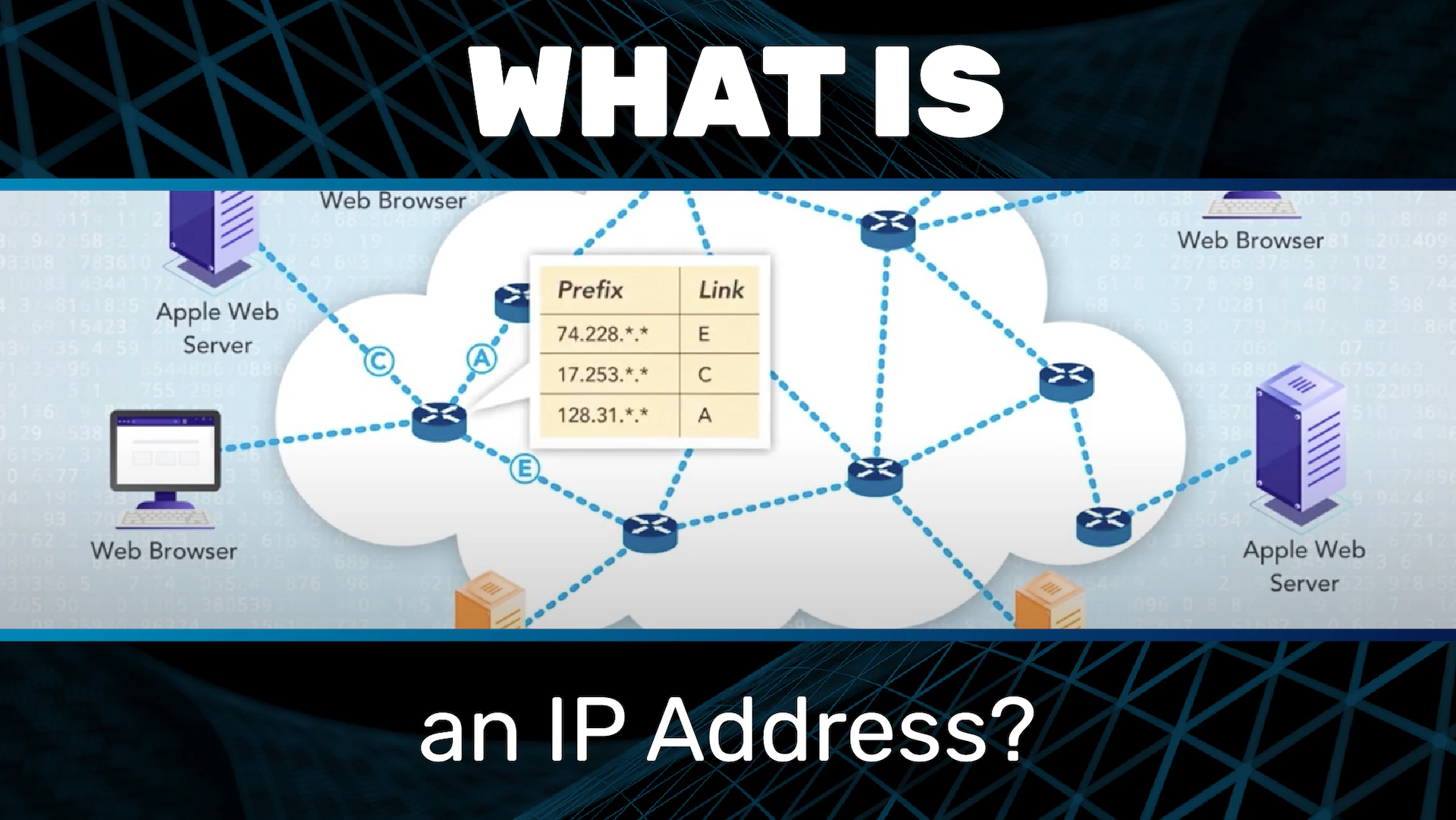
An IP address is a numerical label assigned to each device connected to a network that uses the Internet Protocol. It works like a digital home address, allowing data to find the correct destination.
When a user visits a website, their computer communicates with servers using these IP addresses. For example, when a request is sent to a server linked with 185.63.263.20, the network uses that identifier to route the data correctly.
There are two main versions of IP addresses:
-
IPv4 – The most widely used format consisting of four sets of numbers.
-
IPv6 – A newer format designed to support a much larger number of devices.
The address 185.63.263.20 belongs to the IPv4 category.
Structure of 185.63.263.20
Every IPv4 address has four numeric sections separated by dots. Each section typically ranges from 0 to 255.
For example:
185.63.263.20
Each segment helps determine the network location and the specific device within that network. Network administrators often analyze addresses like 185.63.263.20 to identify traffic sources, troubleshoot issues, or monitor server activity.
Understanding the structure of 185.63.263.20 helps professionals determine where the traffic might originate and how it interacts with other systems on the internet.
Why You Might See 185.63.263.20 in Logs
Many website owners discover addresses such as 185.63.263.20 when checking server logs or analytics data. This happens because every visitor request records the IP address used to access the server.
Here are some common situations where 185.63.263.20 may appear:
Website Server Logs
When someone visits a website, their IP address gets logged. If a request is associated with 185.63.263.20, it means the connection came from a device using that address.
Security Monitoring
Cybersecurity systems monitor unusual activity by tracking IP addresses. If 185.63.263.20 attempts repeated connections, login attempts, or automated requests, security tools may flag it for review.
Network Diagnostics
IT professionals sometimes trace addresses like 185.63.263.20 while diagnosing network issues, analyzing traffic patterns, or identifying suspicious behavior.
Possible Uses of 185.63.263.20
An IP address does not always represent a single user. Often, it belongs to servers, hosting providers, VPN services, or shared networks.
Possible roles for 185.63.263.20 include:
-
A web hosting server handling multiple websites
-
A cloud-based service infrastructure
-
A VPN or proxy server routing internet traffic
-
A network node used for data routing
Because IP addresses can be shared or reassigned, 185.63.263.20 may serve different purposes depending on the network configuration.
How Network Administrators Analyze 185.63.263.20
Professionals responsible for maintaining websites and digital systems frequently analyze addresses like 185.63.263.20 to maintain security and performance.
They may perform several actions, including:
Traffic Analysis
Administrators examine how often 185.63.263.20 connects to their systems and what type of requests are being made.
Geolocation Checks
IP addresses can sometimes be linked to approximate geographic regions. Studying 185.63.263.20 helps determine where certain traffic originates.
Security Filtering
If suspicious behavior is detected, network managers may block or limit requests from 185.63.263.20 to protect their systems.
Privacy and IP Addresses
Although addresses such as 185.63.263.20 identify a network connection, they do not automatically reveal personal details about the user. Most IP addresses are associated with service providers or network gateways rather than individuals.
However, organizations still treat addresses like 185.63.263.20 carefully in security monitoring because they help detect patterns of activity across networks.
Understanding this balance between identification and privacy is important for anyone working with web analytics or cybersecurity tools.
Why IP Awareness Is Important for Website Owners
Website owners benefit greatly from understanding how addresses such as 185.63.263.20 appear in analytics and server data.
Some of the advantages include:
-
Detecting unusual traffic patterns
-
Identifying potential bot activity
-
Monitoring performance issues
-
Strengthening cybersecurity defenses
When administrators notice repeated requests from 185.63.263.20, they can investigate whether the traffic is legitimate or potentially harmful.
This awareness improves both website performance and overall digital safety.
Conclusion
The internet depends on a massive system of interconnected devices, and IP addresses serve as the foundation that keeps communication organized. The address 185.63.263.20 is just one example of how devices are uniquely identified across global networks.
Whether appearing in server logs, security systems, or network diagnostics, 185.63.263.20 helps administrators trace traffic, analyze connections, and maintain online infrastructure. By understanding what an IP address represents and how it functions, website owners and technology professionals gain deeper insight into the digital environment that powers modern communication.
As the internet continues to grow, awareness of addresses like 185.63.263.20 will remain an important part of managing networks, protecting systems, and ensuring smooth online interactions.